
When to Activate Emergency Heat on Your Heat Pump
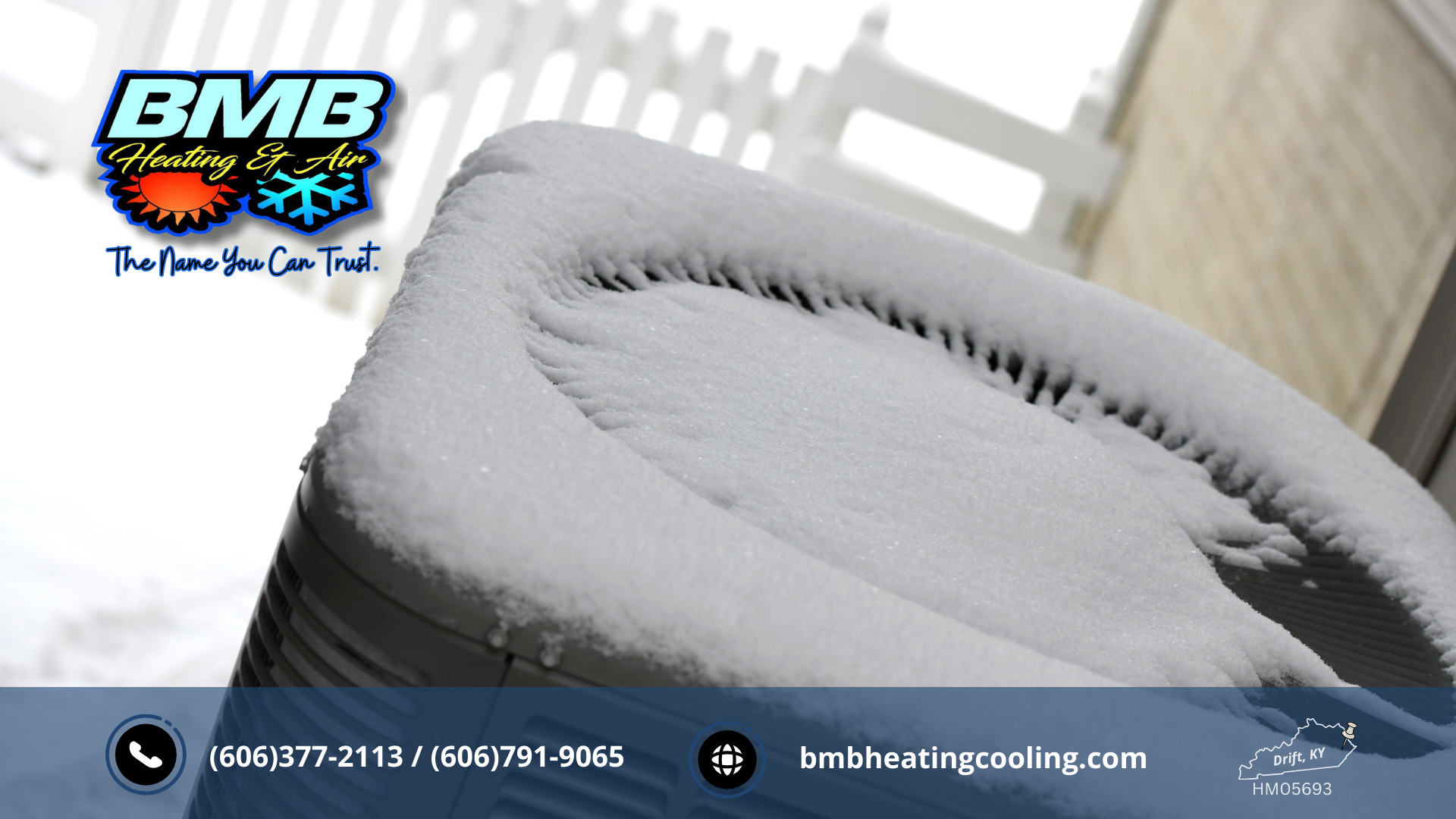
Heat pumps are efficient and eco-friendly heating solutions, but they can struggle in extreme cold, during ice storms, or when ice buildup forms on the outdoor unit. That's where the emergency heat (often labeled "EM Heat" on your thermostat) comes in as a reliable backup.
What Is Emergency Heat?
Emergency heat is a secondary heating source—usually electric resistance strips or a gas furnace in dual-fuel systems—that bypasses the heat pump entirely. It provides immediate warmth when the primary system can't keep up or is at risk.
Key Situations to Activate It
Your heat pump is frozen or heavily iced over — In freezing rain or ice storms, ice can build up on the outdoor coils and fan, blocking airflow and potentially damaging the compressor or fan motor if the unit keeps running.
The heat pump can't extract enough warmth — During prolonged sub-freezing temperatures (often below 25–35°F, depending on the model), the system struggles to pull heat from the outdoor air, reducing efficiency and output.
The heat pump malfunctions — If it's not producing warm air at all, switching to emergency heat keeps your home comfortable while you arrange repairs.
In many cases, modern heat pumps automatically use auxiliary heat (a milder backup) during normal defrost cycles or cold snaps. However, emergency heat is a manual override that fully shuts down the heat pump to prevent strain or further damage.
Why It Helps Prevent Damage
Running a frozen heat pump forces the compressor to work harder against ice buildup, which can lead to costly repairs. By switching to emergency heat, you give the outdoor unit a break—allowing ice to melt naturally or safely—while maintaining indoor warmth.
A Quick Tip
Use emergency heat sparingly—it's less energy-efficient and can spike your utility bills. Once conditions improve or the heat pump thaws (and any issues are fixed), switch back to normal "Heat" mode.
Stay warm and protect your system this winter—knowing when to call on emergency heat makes all the difference! If you're unsure about your setup, contact us for personalized advice.
