
HVAC Heat Wave Prep: 5 Step AC Maintenance Checklist
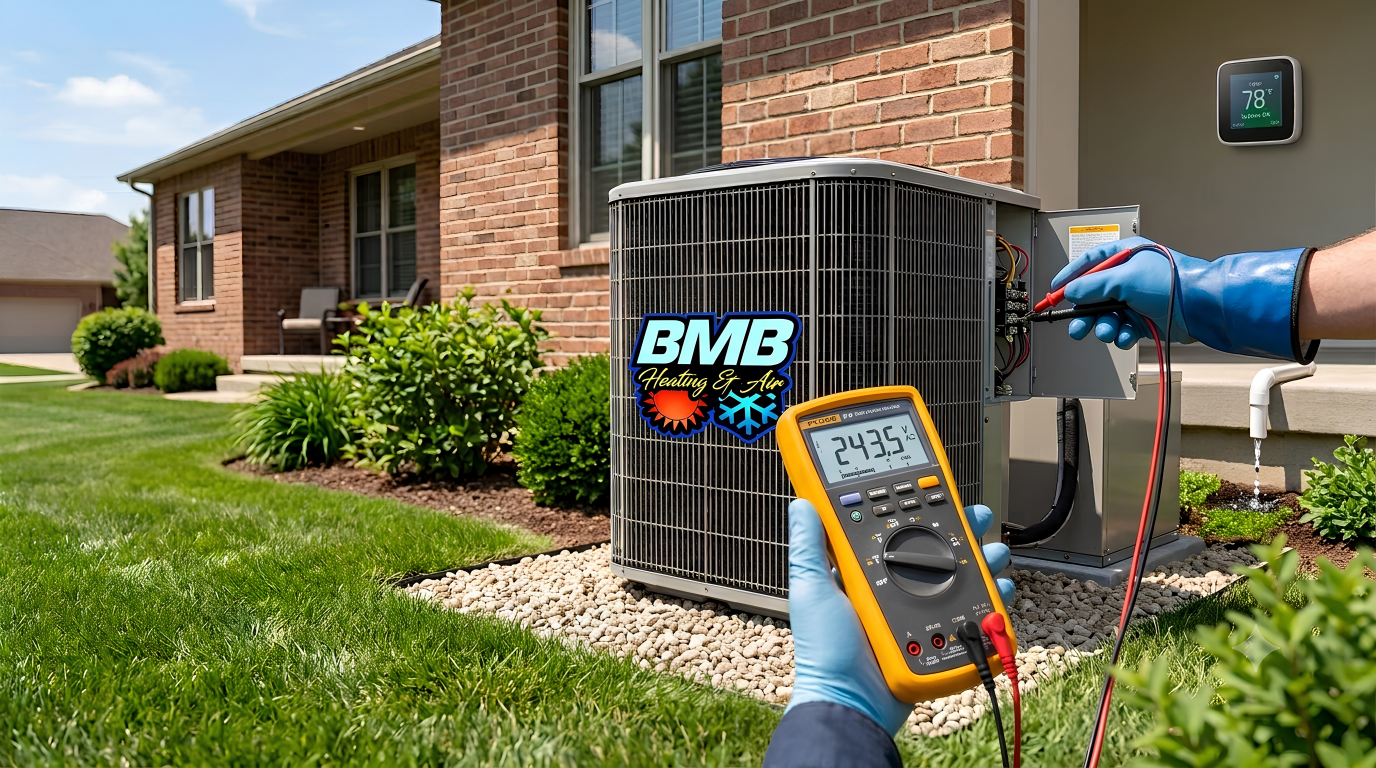
When ambient outdoor temperatures exceed 90°F (32°C), residential air conditioning systems face maximum mechanical strain. For every 1-degree increase in outdoor temperature above 85°F, an unmaintained HVAC system’s efficiency drops, and its energy consumption escalates.
To prevent sudden system failure and minimize peak-summer utility costs, home administrators should perform these five critical maintenance checks before the next regional heat wave.
1. Inspect and Replace the Air Filter (MERV 8–11)
A restricted air filter limits volumetric airflow across the evaporator coil, causing static pressure to rise. This forces the blower motor to pull more amperage and can drop the coil temperature below freezing, leading to a total system ice-over.
Action: Replace standard 1-inch pleated filters every 30 to 60 days during peak summer cooling cycles.
Specification: Use filters rated between MERV 8 and MERV 11. Higher MERV ratings (MERV 13+) can overly restrict airflow in older systems unless the ductwork was specifically engineered for it.
2. Clear the Outdoor Condenser Perimeter (2-Foot Clearance)
The outdoor condenser coil relies on unrestricted convective airflow to reject heat extracted from the home's interior. Obstructions cause thermal recycling, raising head pressures and risking a compressor thermal overload trip.
Action: Maintain a minimum 24-inch (2-foot) clear perimeter around all sides of the outdoor unit, and 60 inches (5 feet) of vertical clearance above it.
Maintenance: Clear away leaf debris, trim back encroaching vegetation, and use a soft brush or garden hose (low pressure only) to remove dirt from the aluminum fins. Never use a pressure washer, which flattens the fins and permanently blocks airflow.
3. Flush the Condensate Drain Line
Air conditioners remove up to 20 gallons of water per day from indoor air via condensation. If the primary drain line becomes blocked by algae or bacterial slime, water will back up. This triggers safety float switches that shut down the system entirely, or worse, causes localized property water damage.
Action: Locate the PVC condensate drain line (usually near the indoor air handler).
Prevention: Pour 1/4 cup of distilled white vinegar down the drain line T-condensate access port every 30 days to inhibit biological growth. If standing water is present in the drain pan, the line is already obstructed and requires mechanical clearing.
4. Run a Pre-Heat Wave System Performance Test
Testing a system during a 95°F heat wave means identifying a failure only after the home is already overheating. Run a diagnostic stress test on a milder, 80°F day to verify baseline performance.
Method: Set the thermostat to "Cool" and lower the setpoint 3 degrees below ambient temperature.
Measurement: Let the system run for 15 minutes, then measure the temperature at a supply register (vent) and a return grille. The temperature differential (Delta-T) should be between 16°F and 20°F. A split lower than 16°F typically indicates low refrigerant levels or a failing compressor.
5. Optimize Thermostat Setpoints for Thermal Mass
Setting a thermostat to 60°F will not cool a home faster; it simply forces the compressor to run continuously without cycling, accelerating mechanical wear.
Strategy: The U.S. Department of Energy recommends a baseline setpoint of 78°F (25.5°C) when occupied.
Optimizing Tip: To mitigate peak demand charges and grid strain, pre-cool the home's structural mass by dropping the thermostat 3 degrees lower during early morning hours, then raise it back to the target setpoint before peak outdoor afternoon temperatures arrive.
Technical Indicators: When to Call BMB Heating & Cooling
While DIY checklists mitigate common operational failures, certain variables require diagnostic tools. Homeowners should schedule immediate professional service if they observe any of the following symptoms:
Delta-T below 16°F: Indicates potential refrigerant leaks or compromised valve efficiency.
Frequent Cycling: The compressor turns on and off every few minutes (short-cycling), indicating potential electrical faults, oversized equipment, or low pressure trips.
Electrical Hum or Contactor Chattering: Signals failing capacitors or loose wiring connections that will fail completely under heavy heat load.
Contact BMB Heating & Cooling to schedule a comprehensive precision tune-up before extreme weather events disrupt your home comfort.
